Roof design plays a far more important role in a home’s overall function and appearance than many homeowners initially realize. Among the most influential factors are pitch and slope, which determine not only how a roof looks but also how it performs in different weather conditions and how much usable surface area it actually creates. When planning a roof installation, understanding these elements can help homeowners make more informed decisions about durability, efficiency, and long-term value. In many cases, the geometry of a roof can subtly expand the home’s effective surface area, influencing everything from insulation performance to potential attic space.
During a roof installation, pitch and slope are not just aesthetic choices; they are structural decisions that shape how water drains, how snow accumulates, and how the building breathes thermally. A steeper pitch can increase the total surface area of the roof compared to a flatter design, which means more materials and a different structural load. According to Home Advisor, a roof’s total size is typically about 1.1 to 1.2 times the square footage of the house itself, depending on the roof’s shape and steepness. That difference becomes especially important during roof installation, where material estimates and structural planning must account for this expanded surface area.
What Is the Importance of Roof Pitch in Installation?
Roof pitch is one of the foundational considerations in any roof installation because it directly impacts both performance and longevity. A properly chosen pitch allows rainwater and melting snow to drain efficiently, reducing the risk of leaks, pooling, and structural damage. In climates with heavy precipitation, a steeper pitch is often preferred because it accelerates runoff and reduces stress on roofing materials over time.
Beyond drainage, pitch also influences energy efficiency. During roof installation, contractors often evaluate how different angles will affect attic ventilation and insulation performance. A higher pitch can create a larger air buffer beneath the roof deck, helping regulate indoor temperatures more effectively throughout the year. This can reduce heating and cooling costs, especially in regions with extreme seasonal variation.
From a structural standpoint, a steeper pitch increases the total surface area, which means a roof installation requires more materials and careful engineering to ensure stability. However, that added surface area can also contribute to better durability and longer roof lifespan when properly designed. In many cases, homeowners discover that investing in a well-calculated pitch during roof installation pays off through reduced maintenance needs and improved weather resistance over time.
How Does Slope Enhance Living Space?
Roof slope does more than protect a home from the elements; it can significantly expand usable interior space. During roof installation, designers often manipulate slope to create additional functional areas such as attics, lofts, or even finished upper-level rooms. A steeper slope naturally increases vertical clearance, which allows previously unused space beneath the roof to be converted into livable square footage.
This transformation is particularly valuable in homes with limited footprints. Instead of expanding outward, homeowners can maximize upward space, effectively increasing usable living area without altering the building’s foundation. A thoughtful roof installation that prioritizes slope can turn what would otherwise be storage-only attic space into bedrooms, offices, or recreational areas.
Slope also affects the perceived openness of interior spaces. Higher slopes can create vaulted ceilings, which not only improve airflow but also enhance natural light distribution. When executed correctly during roof installation, this design choice can make smaller homes feel significantly larger and more open.
Additionally, slope variations influence structural efficiency. A carefully planned roof installation that incorporates balanced slopes can distribute weight more evenly across load-bearing walls, reducing long-term stress on the building. This is especially important in regions prone to heavy snow or high winds, where structural integrity is critical.
Are There Any Cost Implications With Different Roof Slopes?
Cost is one of the most important considerations in any roof installation, and slope plays a direct role in determining overall expenses. Steeper slopes typically require more materials because they increase the total surface area of the roof. This means that both labor and material costs tend to rise as pitch increases. A complex roof installation with multiple steep angles will generally take longer to complete and require more specialized labor.
However, higher upfront costs are often balanced by long-term savings. A well-executed roof installation with an appropriate slope can reduce maintenance costs by improving drainage and minimizing the likelihood of water damage. In snowy climates, steeper roofs can also reduce the risk of ice dam formation, which can be expensive to repair.
Material selection also becomes a key factor. Certain roofing materials perform better on specific slopes, and choosing the wrong combination during roof installation can lead to premature wear. For example, low-slope roofs often require membrane-based systems, while steeper designs can accommodate shingles or tiles more effectively.
Over time, the durability benefits of a well-planned roof installation often offset initial construction costs. Homeowners who invest in proper slope design frequently experience fewer repairs and longer roof lifespans, making the upfront investment more cost-effective in the long run.
What Are the Most Popular Roof Designs Using Varying Slopes?
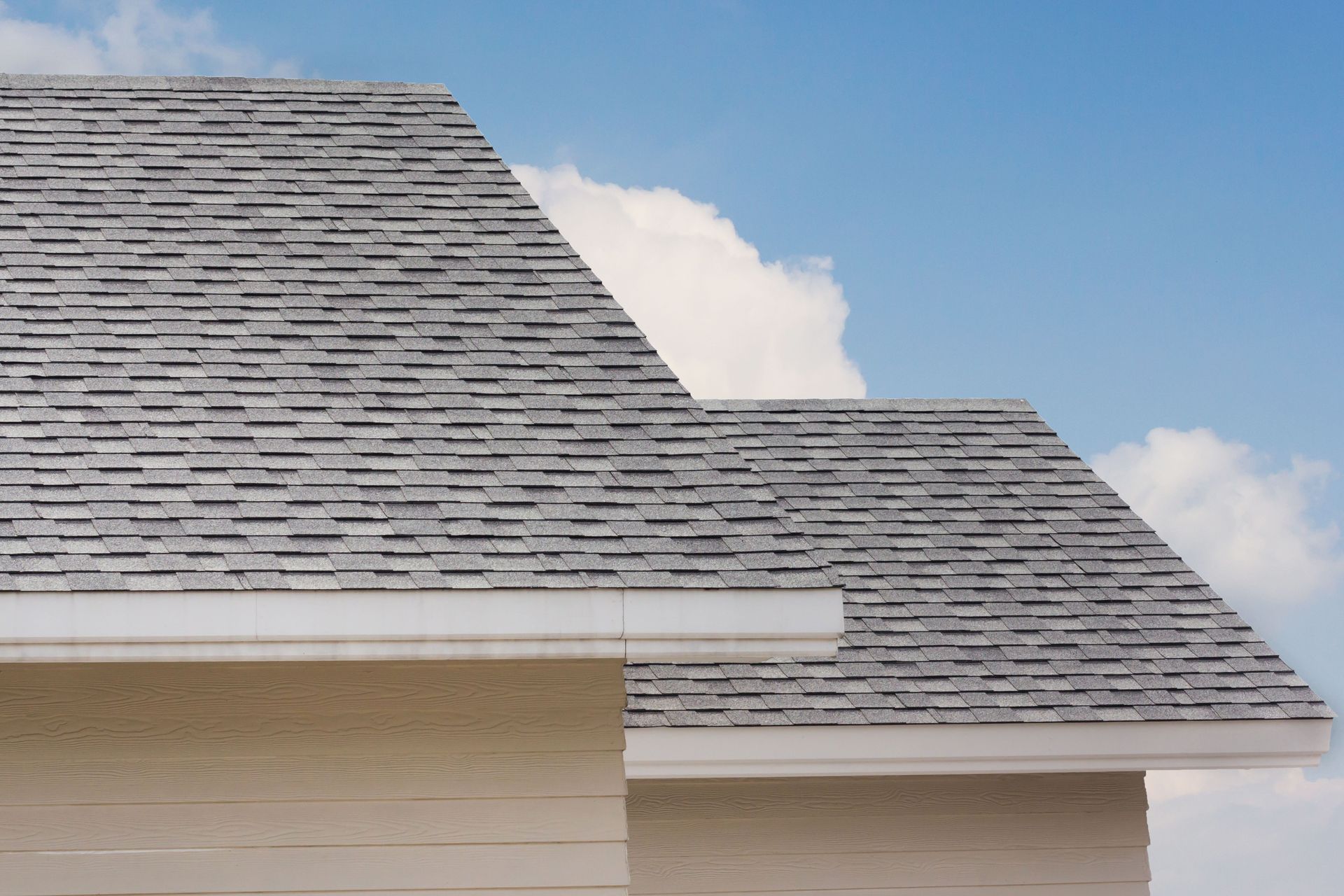
Architectural style plays a major role in how slope is used during roof installation, and several popular designs highlight different structural and aesthetic advantages. Gable roofs, for example, are among the most common and feature two sloping sides that meet at a central ridge. This design is widely used because it balances simplicity, cost efficiency, and effective water drainage.
Hip roofs, on the other hand, slope on all four sides and are known for their stability in high-wind regions. During roof installation, this design is often chosen for its aerodynamic qualities and balanced load distribution, which enhances structural resilience.
Shed roofs offer a more modern approach, featuring a single sloping surface that creates a minimalist aesthetic. This style is increasingly popular in contemporary architecture and allows for dramatic interior ceiling heights when incorporated into a roof installation plan.
Each of these designs demonstrates how slope can be used creatively to influence both appearance and function. Choosing the right style during roof installation ensures that the home not only performs well structurally but also aligns with the homeowner’s design preferences.
What Factors Should Be Considered When Choosing Roof Pitch and Slope?
Selecting the right pitch and slope involves a combination of environmental, structural, and aesthetic considerations. Climate is one of the most important factors. In areas with heavy snowfall or rainfall, a steeper pitch is often preferred to ensure proper drainage and reduce load buildup. In contrast, milder climates may allow for more moderate slopes during roof installation.
Building codes also play a significant role. Local regulations often dictate minimum and maximum pitch requirements to ensure safety and structural integrity. Any roof installation must comply with these standards, which can vary significantly depending on location.
Architectural style and personal preference are equally important. A roof installation should complement the overall design of the home, enhancing curb appeal while maintaining functionality. Some homeowners prefer steep, dramatic rooflines, while others favor low-profile modern aesthetics.
Structural limitations must also be considered. The existing framework of a home can influence how much slope can realistically be added during roof installation without requiring extensive modifications.
Roof pitch and slope are fundamental design elements that significantly influence both the performance and spatial efficiency of a home. When carefully considered during
roof installation, they can enhance durability, improve energy efficiency, and even expand usable living space. From cost implications to architectural expression, these factors shape how a home functions and feels over time. Consulting with experienced professionals during roof installation ensures that these benefits are fully realized, resulting in a structure that is both practical and visually appealing. If you need a roof, reach out to the team at Wright Way Contracting today!