August 25, 2026
A roof serves as the primary shield protecting a home from unrelenting weather, temperature extremes, and environmental wear. Over time, however, even the most durable materials succumb to continuous exposure. Many property owners view their overhead protection as an immortal feature, only paying attention when an active leak drips onto the ceiling. Waiting for visible interior damage often means that subtle warnings were ignored for months or years. Recognizing early indicators of failure prevents structural decay, insulation loss, and costly emergency interventions. Understanding the condition of your home's exterior shelter ensures that minor issues are caught before they escalate into catastrophic structural hazards.
Identifying subtle warning signs requires a trained eye and routine inspection. While severe storm damage causes immediate and obvious destruction, regular degradation occurs quietly across seasons. Heavy rain, harsh sunlight, accumulated debris, and severe temperature fluctuations gradually erode protective coatings, loosen fasteners, and compromise waterproofing membranes. Knowing what to look for both inside and outside the dwelling empowers homeowners to act proactively. Investing time in routine monitoring protects your property value, maintains indoor comfort, and keeps your household safe from unexpected external threats.
Spotting Curled and Missing Shingles
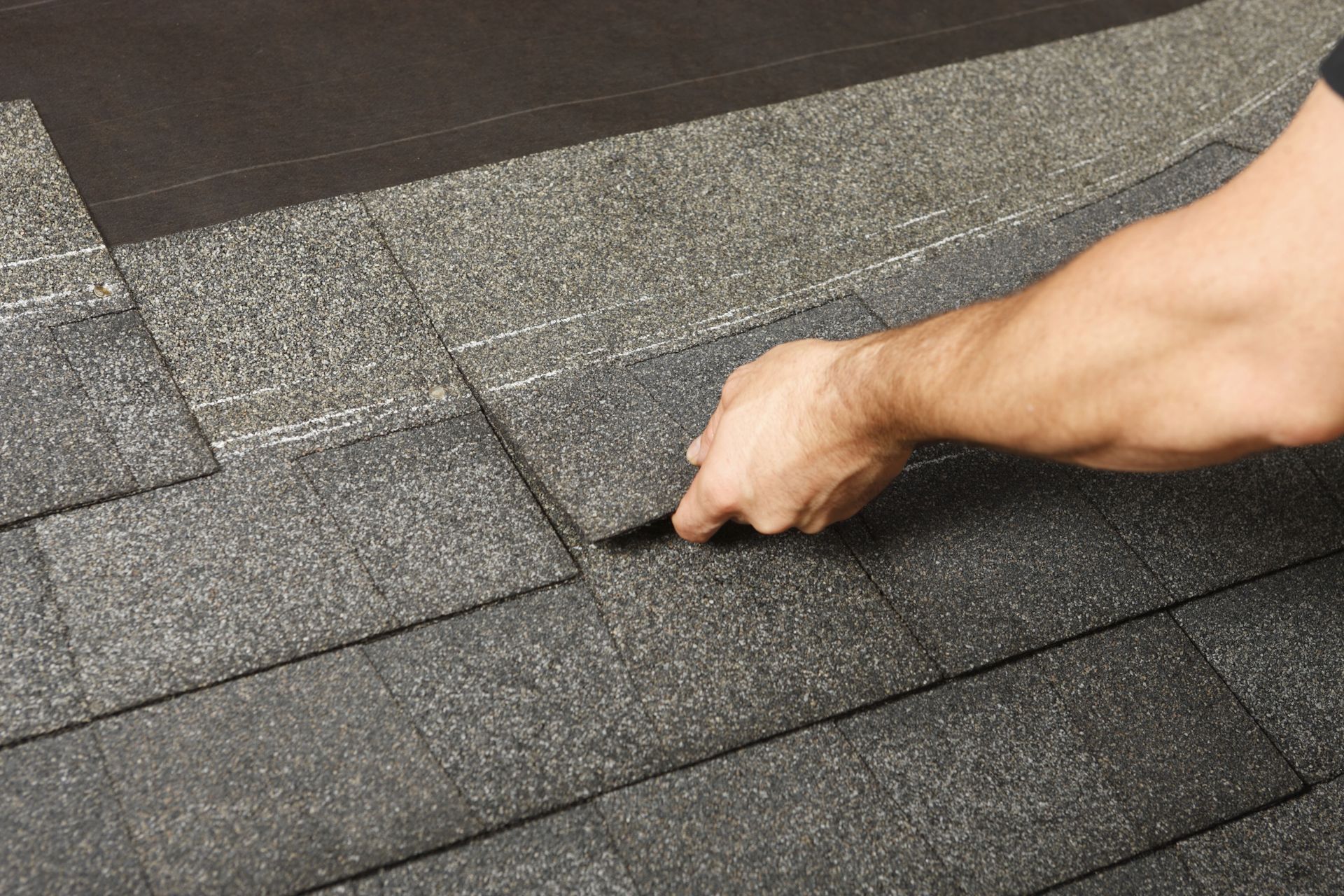
Outer shingles provide the first line of defense against rain and wind. When these individual units begin to show physical distress, the underlying structure becomes vulnerable to moisture penetration. Inspecting the roofline after major weather events often reveals subtle changes in shingle geometry. Curled edges, where the corners lift upward or cup downward, signal that the material has lost its flexibility due to age and heat exposure. As shingles harden and lose their asphalt oils, they lose the ability to lie flat and seal out driving rain.
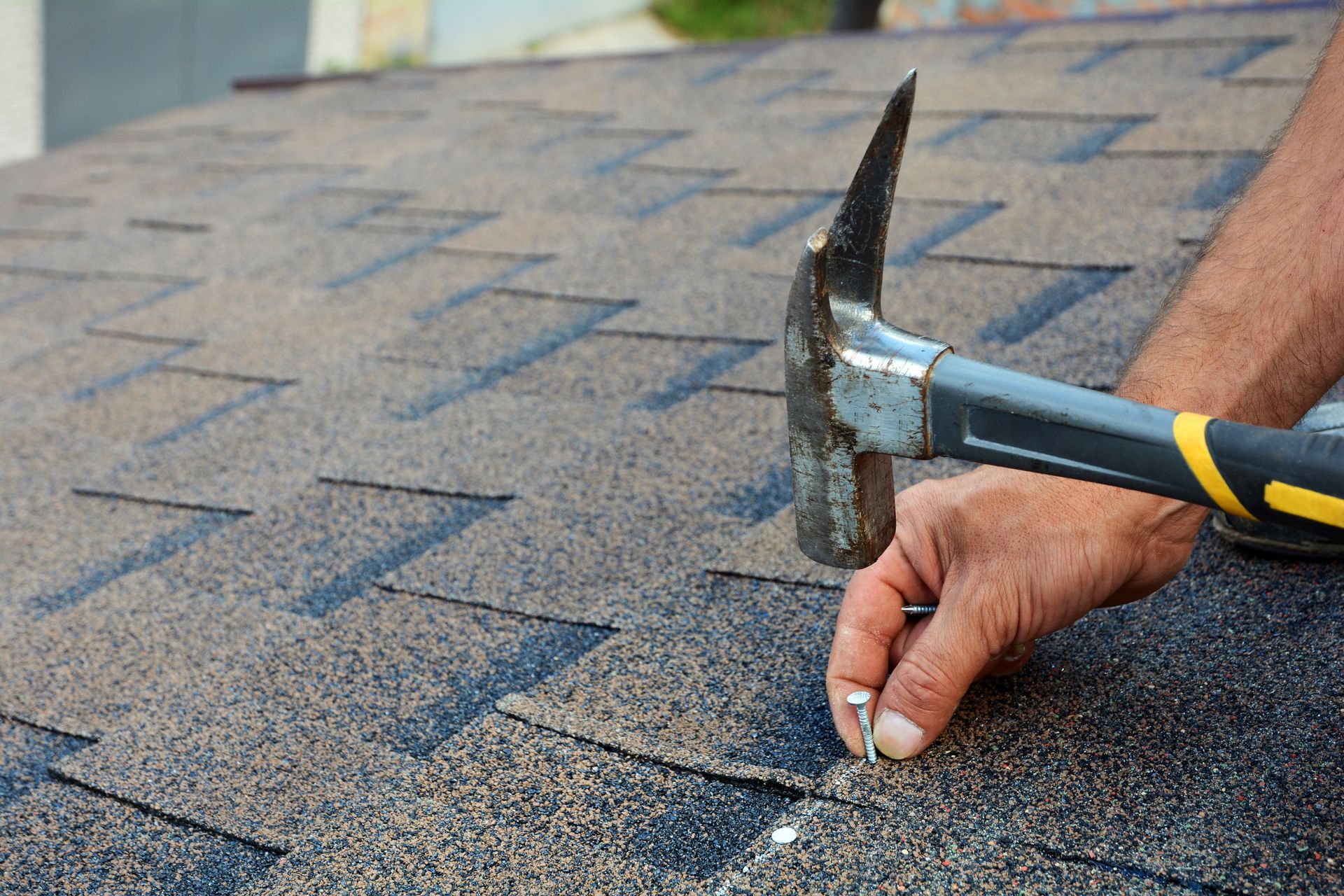
Missing shingles create immediate entry points for water and airborne debris. Wind uplift can easily strip away loosened units, leaving exposed patches on the roof deck. Even if only a few sections are absent, the surrounding material experiences increased stress and wind resistance, accelerating overall decay. Furthermore, cracked or split shingles indicate advanced thermal shock, where repeated expansion and contraction break the structural integrity of the material. Addressing shingle deterioration early prevents water from reaching the wooden underlayment and causing widespread rot.
Finding Granule Accumulation in Gutters
Asphalt shingles are coated with fine mineral granules designed to reflect solar radiation and shield the underlying petroleum binder from ultraviolet rays. During normal weathering, a small amount of granule loss occurs, particularly after initial installation. However, finding significant piles of coarse, sand-like material in rain gutters or around downspout discharge areas is a clear signal of advanced aging. Once shingles lose their protective mineral coating, the bare asphalt underneath rapidly deteriorates under direct sunlight.
Examining downspout runoff during heavy downpours offers valuable insight into your roof's health. When gutters collect thick layers of sediment, the bare spots on shingles become exposed to solar radiation, causing the asphalt layer to bake, crack, and dry out. Bare patches often appear darker or discolored from ground level, resembling dark stains across the slope. When mineral loss reaches this advanced stage, patch repairs become temporary fixes rather than permanent solutions. Monitoring granule accumulation helps determine whether the entire surface is reaching the end of its functional life.
Examining Sagging Rooflines and Structural Dip
A straight, rigid roofline indicates strong underlying support and structural health. Conversely, a noticeable dip, curve, or sag along the ridge or across flat planes signals serious structural compromise. A sagging roof deck typically stems from long-term moisture intrusion that has rotted the wooden sheathing, rafters, or support trusses underneath. When moisture penetrates the outer barriers, trapped water softens the wood framing, causing it to bend and bow under the weight of roofing materials.
Addressing structural sagging requires immediate professional evaluation to prevent total collapse. According to BCC Research, 94% of roofing projects in North America are roof replacements. This statistic highlights how frequently underlying structural decay forces homeowners to undertake full system updates rather than simple surface repairs. Ignoring a bowing roofline endangers everything beneath it, as compromised structural framing loses its load-bearing capacity during heavy snowfall, windstorms, or severe rainfall. Regular visual checks from street level can reveal subtle shifts in geometry before severe sag occurs.
Detecting Interior Moisture and Ceiling Stains
Interior indicators often confirm that exterior barriers have failed. Water stains appearing on top-floor ceilings or along upper walls point directly to active moisture entry through the roof structure. These discolored patches often start as faint yellow or brown rings, gradually expanding and darkening after consecutive rainstorms. In severe cases, trapped water causes ceiling drywall or plaster to bubble, sag, or peel away entirely, presenting immediate electrical and safety risks.
Checking the attic space with a flashlight provides critical early warnings before stains manifest on living area ceilings. Look for damp insulation, dark water tracks along framing timber, or pinpricks of daylight shining through the roof deck. Damp attic spaces foster airborne mold spores and wood-destroying fungi that compromise indoor air quality and structural integrity. Musty odors in upper levels or sudden spikes in heating and cooling expenses also indicate wet insulation that has lost its thermal efficiency. Tracking down internal leaks quickly minimizes internal restoration expenses.
Inspecting Flashing and Chimney Seals
Metal flashing guards the most vulnerable joints on any roof structure, including valleys, dormers, vent pipes, and chimney bases. These metal strips guide water away from seams where different roof planes intersect. Over time, metal flashing can rust, warp, lose its sealant, or lift away from wall surfaces due to thermal movement. Damaged or missing flashing allows water to pool directly into hidden structural seams, causing concealed decay that remains invisible from the outside.
Examining chimney seals and pipe boots reveals whether protective barriers remain watertight. Rubber boots surrounding plumbing vents often crack and dry-rot after years of intense heat exposure, allowing rain to run straight down pipe walls into ceiling cavities. Similarly, dried or crumbling tar and masonry sealant around chimney bases opens direct channels for moisture. Replacing worn flashing and dried sealants preserves structural seams, but widespread flashing failure across multiple roof penetrations often indicates that an overall system update is necessary.
Evaluating Age and Chronic Repair Costs
Every roofing material possesses a natural lifespan dictated by product composition, installation quality, and local climate conditions. While routine maintenance extends serviceability, natural material fatigue eventually makes complete replacement the most practical option. A roof that has weathered decades of extreme seasons loses its resilience, making minor repairs increasingly frequent and ineffective. Continuing to patch an ancient surface often wastes financial resources on a structure that will inevitably fail elsewhere.
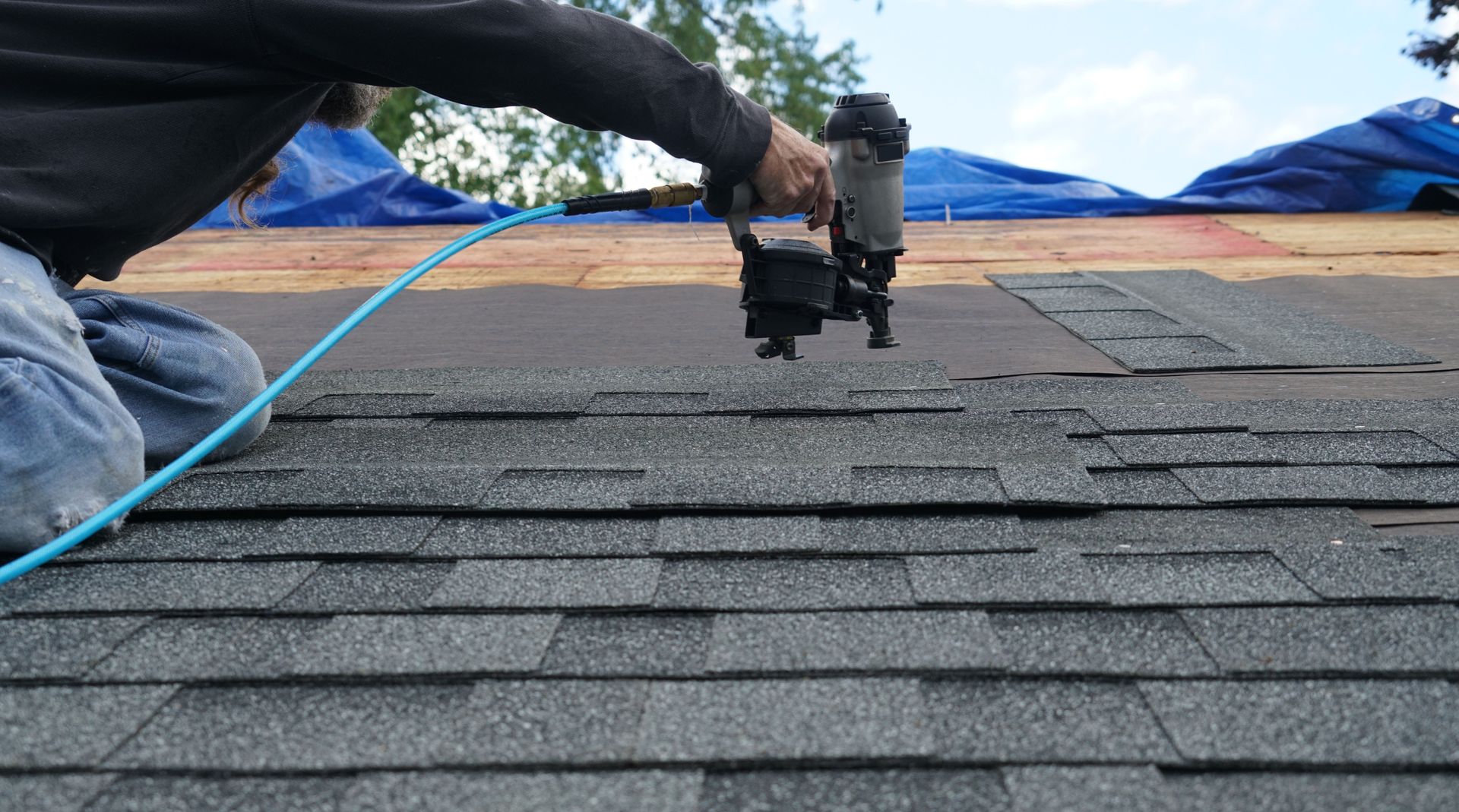
Evaluating the frequency and cumulative cost of ongoing repairs offers a practical baseline for decision-making. If emergency service calls, leak patches, and shingle replacements become annual occurrences, continuing isolated repairs yields diminishing returns. Repeated failures suggest that the underlying deck, underlayment, and outer materials have reached systemic exhaustion. Investing in a complete upgrade restores full weather protection, enhances property energy efficiency, improves curb appeal, and provides long-term peace of mind against unexpected storm damage.
Recognizing the subtle warning signs of roof failure saves property owners from extensive water damage and costly emergency interventions. By monitoring shingle condition, clearing gutters, inspecting attic spaces, checking joint flashing, and evaluating overall structural alignment, you maintain total control over your home's exterior health.
If you suspect your home is showing signs of severe wear, trust the expert team at Wright Way Contracting to evaluate your structure, provide honest recommendations, and deliver reliable protection for your family. Contact us today to learn more.